


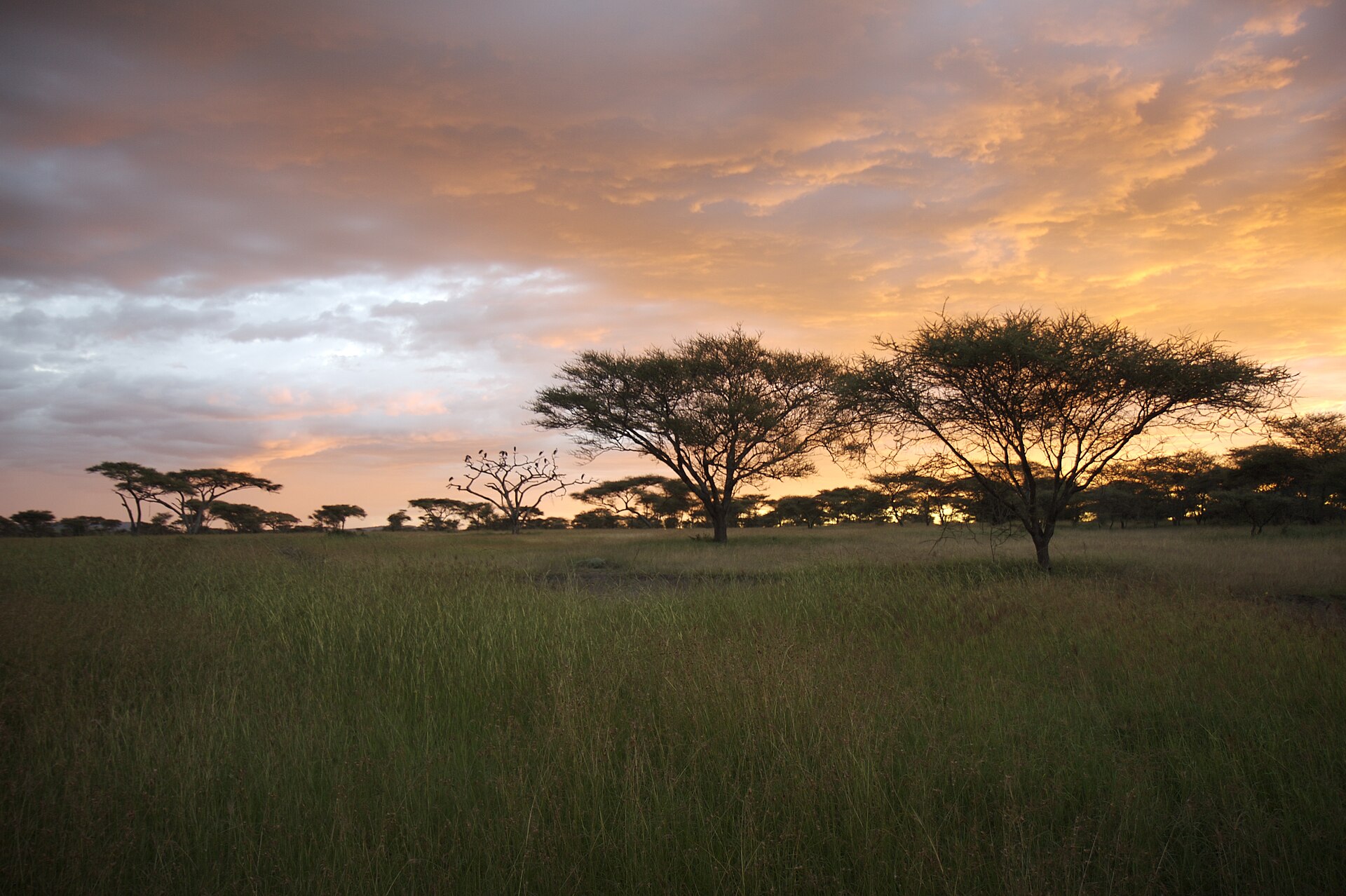
There is no single best month for a Tanzania safari. The right time depends on what you want to see. Some travellers want the river crossings. Others want newborn wildebeest, empty roads or lower prices. This guide walks through the year so you can pick your window.
Tanzania’s seasons at a glance
- June to October: long dry season. Thin bush, animals at waterholes, peak prices.
- November to December: short rains. Brief afternoon showers and green plains.
- January to February: short dry spell. Calving season in the southern Serengeti.
- March to May: long rains. Lush parks, fewer vehicles, the lowest prices.
January and February: calving season
The wildebeest herds gather on the short-grass plains around Ndutu in the southern Serengeti. Most calves are born over a few weeks in February. Lions, cheetahs and hyenas follow the herds, so predator action is strong. The plains are green and the skies are clear between showers. This is a good window for Kilimanjaro and for diving off Zanzibar.
March to May: the green season
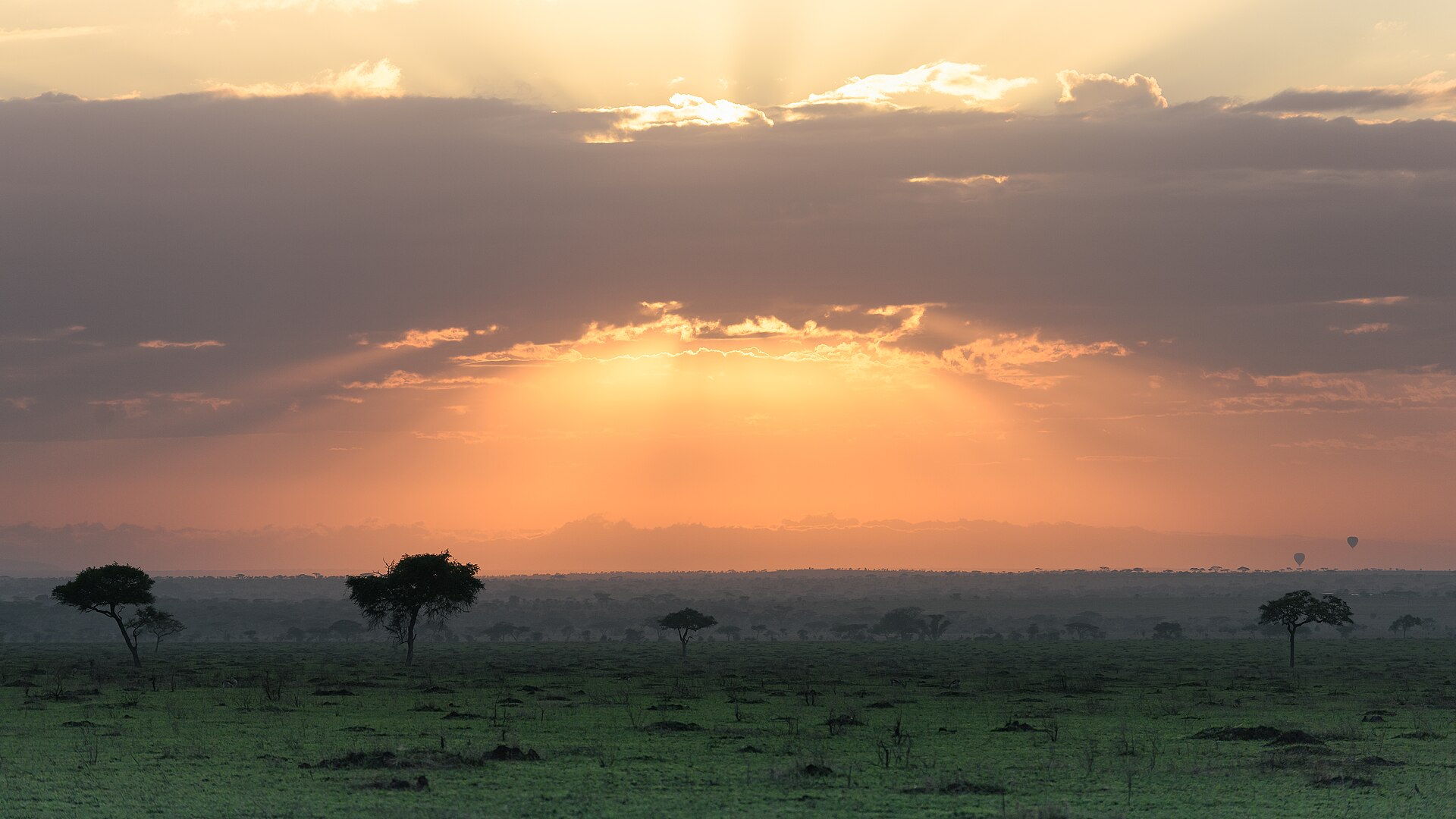
The long rains arrive in March and peak in April. Some roads turn muddy and a few camps close. In return you get quiet parks, bright green scenery and lower lodge rates. The Ngorongoro Crater stays rewarding all year, so it anchors most green season trips. Birdlife is at its best, and flamingos gather at Lake Natron by May. Late May sees the herds start their move north and west.
June to October: the classic dry season
June brings clear skies and cool mornings. The herds pass through the western corridor and cross the Grumeti River. From July the lead herds reach the northern Serengeti, and the famous Mara River crossings begin. August is the busiest month. September offers the same wildlife with slightly fewer vehicles and soft, dusty light for photography. Tarangire is at its best now, with large elephant herds along the river. Early October is still dry and golden.
November and December: the short rains
Short showers return in late October or November. They tend to fall in the afternoon or at night, so mornings stay good for game drives. The herds stream south through the central Serengeti. By December they are back on the southern plains, ready to calve again. Prices drop before the Christmas peak.
Best months for Kilimanjaro and Zanzibar
Kilimanjaro is driest from January to early March and from June to October. Avoid April and May if you can. Zanzibar is at its best from June to October and from December to February. Many guests finish a safari on the coast, flying from Arusha to Zanzibar in about an hour.
Our advice
Choose the experience first, then the month. For calving, come in February. For river crossings, come between July and September. For value and quiet parks, come in April or May and focus on the Ngorongoro Crater and Tarangire. Every trip we run is private, so we place your camps where the wildlife is for your dates.
Ready to plan? See our 7-Day Great Migration Safari or the short 3-Day Tarangire and Ngorongoro Crater Safari, or send us your dates.






Leave A Comment